








IFWJ Raises the Voice of Grassroots Journalists in Jaipur
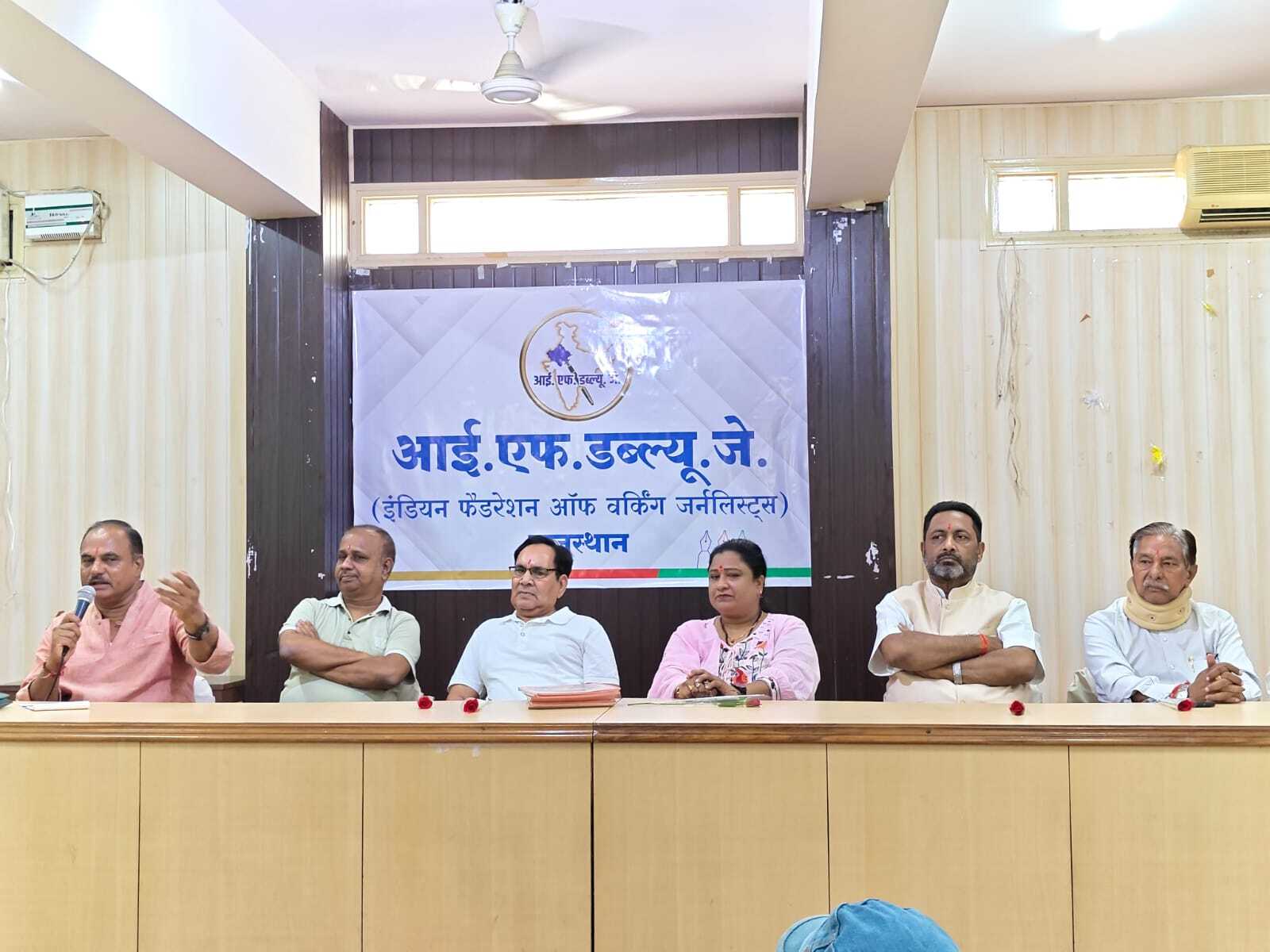
Journalism is passing through a challenging period marked by uncertainty, pressure and growing concerns over its credibility. Against this backdrop, the Rajasthan state conference of the Indian Federation of Working Journalists (IFWJ) held in Jaipur focused on the safety, rights and professional dignity of working journalists, particularly those operating at the district and tehsil levels.
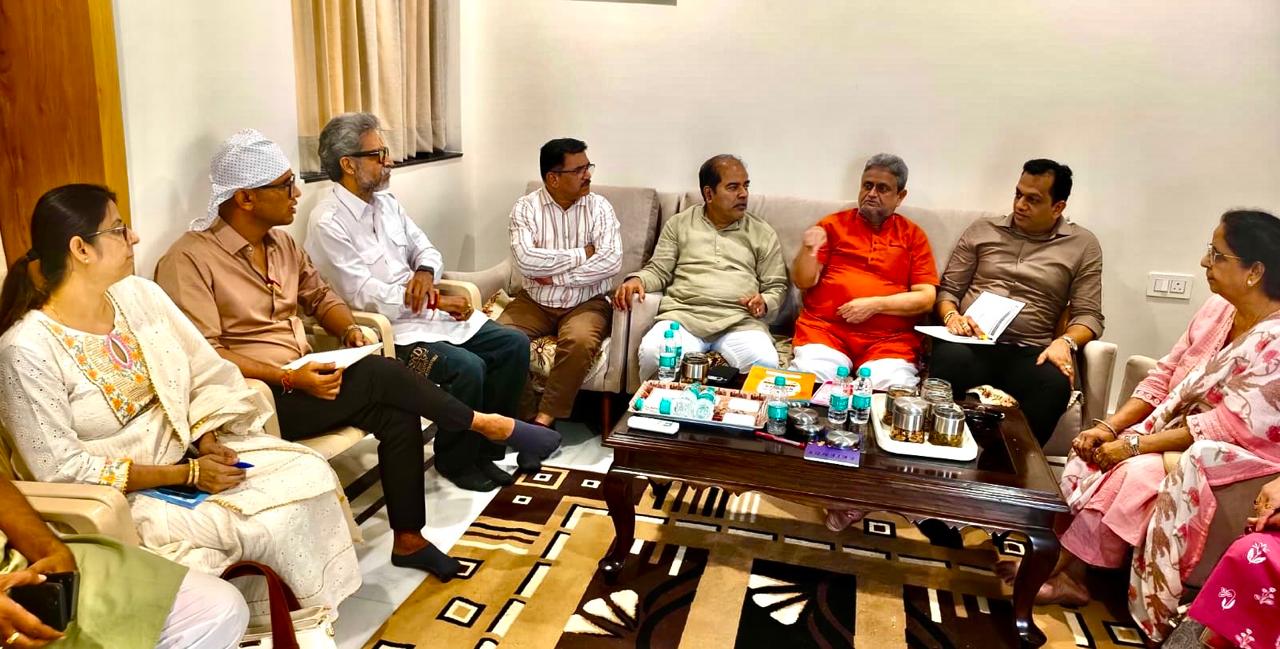
The conference, held on Tuesday at the SBI Bhawan auditorium in C-Scheme, brought together journalist representatives from across Rajasthan. Participants discussed the changing nature of journalism, corporate influence, pressure from the establishment and the growing neglect of grassroots reporters.
A major decision taken at the conference was to launch an independent digital channel run by working journalists in Rajasthan. The proposed platform will provide grassroots journalists with an independent space to highlight public-interest issues without external pressure.
Journalism Facing a Period of Transition and Distress: Rathore
Presiding over the conference, IFWJ Rajasthan State President Upendra Singh Rathore described the present phase of journalism as one of “transition and distress”. He said journalists increasingly face pressure from powerful systems and that it is difficult to predict when or where a journalist may become a target.
He also expressed concern over the reluctance of journalists to stand by their fellow professionals during difficult times.
Rathore stressed the need to highlight the rights, safety concerns and ground realities of journalists without compromise. He said the real strength of journalism lies in its independence and credibility, and that the proposed IFWJ digital channel would be an important step towards strengthening these values.
“The Movement Has to Begin”: Acharya Sanjay Tiwari
Senior Uttar Pradesh journalist Acharya Sanjay Tiwari, the chief guest, recalled the organisation’s historic struggles and referred to the contributions of journalists such as Chelapati Rao and K. Vikram Rao.
He said challenges existed in the past as well, but today a significant section of journalism is caught between commercial interests and pressure from those in power.
Tiwari said that if journalists want an issue to become a movement, someone has to take the first step. Without that beginning, discussions would remain confined to meetings.
Citing socialist leader Mulayam Singh as an example, he said an organisation seeking to retain its relevance and influence must focus on “discussion, expenditure and communication” — charcha, kharcha aur parcha. He emphasized that district- and tehsil-level journalists must organise themselves and raise their voices if grassroots realities are to receive adequate attention.
Four Decades of Journalism Experience Shared
Senior Kota journalist Purushottam Pachouli, sharing his experience of four decades in journalism, said restoring the credibility of journalism should be every journalist’s foremost responsibility.
He warned that if journalists continued to compromise on professional values, future generations would not forgive them.
State Vice-President Pashupati Sharma said there was no “big or small” journalist. According to him, a journalist’s true identity is defined by impartiality, accountability and professional integrity.
He said journalism increasingly risks becoming disconnected from the real concerns of ordinary people when it is driven by excessive compromise and consensus. Journalists, he added, must return to grassroots issues and truth if they want to regain public trust.
Support for the Proposed Digital Platform
Senior Bikaner journalist and Lion Express associate Brijmohan Ramawat shared his experience of working in the digital space. He said determination could make even difficult paths easier and assured the proposed IFWJ Rajasthan digital channel of his guidance and support.
The proposed platform was one of the central themes of the conference. Speakers observed that mainstream media often fails to provide adequate space to issues concerning rural communities and grassroots society.
They said an independent digital platform could serve as an effective bridge between grassroots journalists and the public.
Journalists from Across Rajasthan Share Concerns
Representatives from different districts and divisions participated in the conference and highlighted local challenges faced by journalists.
Among those who shared their views were senior members Shankar Nagar and Vishnu Dutt Sharma; Kota Division in-charge Shubham Jain; Jaipur Division in-charge Shalini Srivastava; Sach Bedhadak channel’s Bikaner Division in-charge Ravi Bishnoi; Bikaner Aaj Tak Bureau’s Kuldeep Charan; and district representatives including Shailesh Pandey (Kota), Rajesh Sharma (Sawai Madhopur), Prem Raghuvanshi (Tonk), Lakshmichand Nagar (Baran), Jugal Kishore Swami (Hanumangarh), Paramveer Singh Dulawat (Udaipur), Suresh Chandra Bhat (Rajsamand), Karnaram Manju (Balotra), D.D. Saraswat (Karauli), Mahendra Singh Munabao (Barmer), Sandeep Hudda (Sikar) and Vikas Poonia (Jhunjhunu).
State committee members Kuldeep Gupta, Nirmala Rao and Amrita Maurya, along with Narayan Meghwal and other representatives, also participated in the discussions.
State office in-charge Ganesh Prajapati assured participants of stronger coordination, cooperation and collaboration among district units.
Digital Channel to Be Run by Working Journalists
The conference resolved that the proposed digital channel would be fully operated by working journalists. It will focus particularly on rural issues, social problems, public hardships, administrative shortcomings and the concerns of marginalised communities.
The organisation also agreed to work towards an institutional framework addressing the identity cards, safety and economic stability of active district-level journalists.
The conference further decided to organise a major programme on October 28, the organisation’s foundation day, with broad participation from journalists across the state.
The conference concluded with a vote of thanks after the second session.
The central message emerging from the gathering was clear: the credibility of journalism does not come from an institution, media owner or those in power. It is built through the fearless pen of journalists and their accountability to the people.