










Abdul Naseer
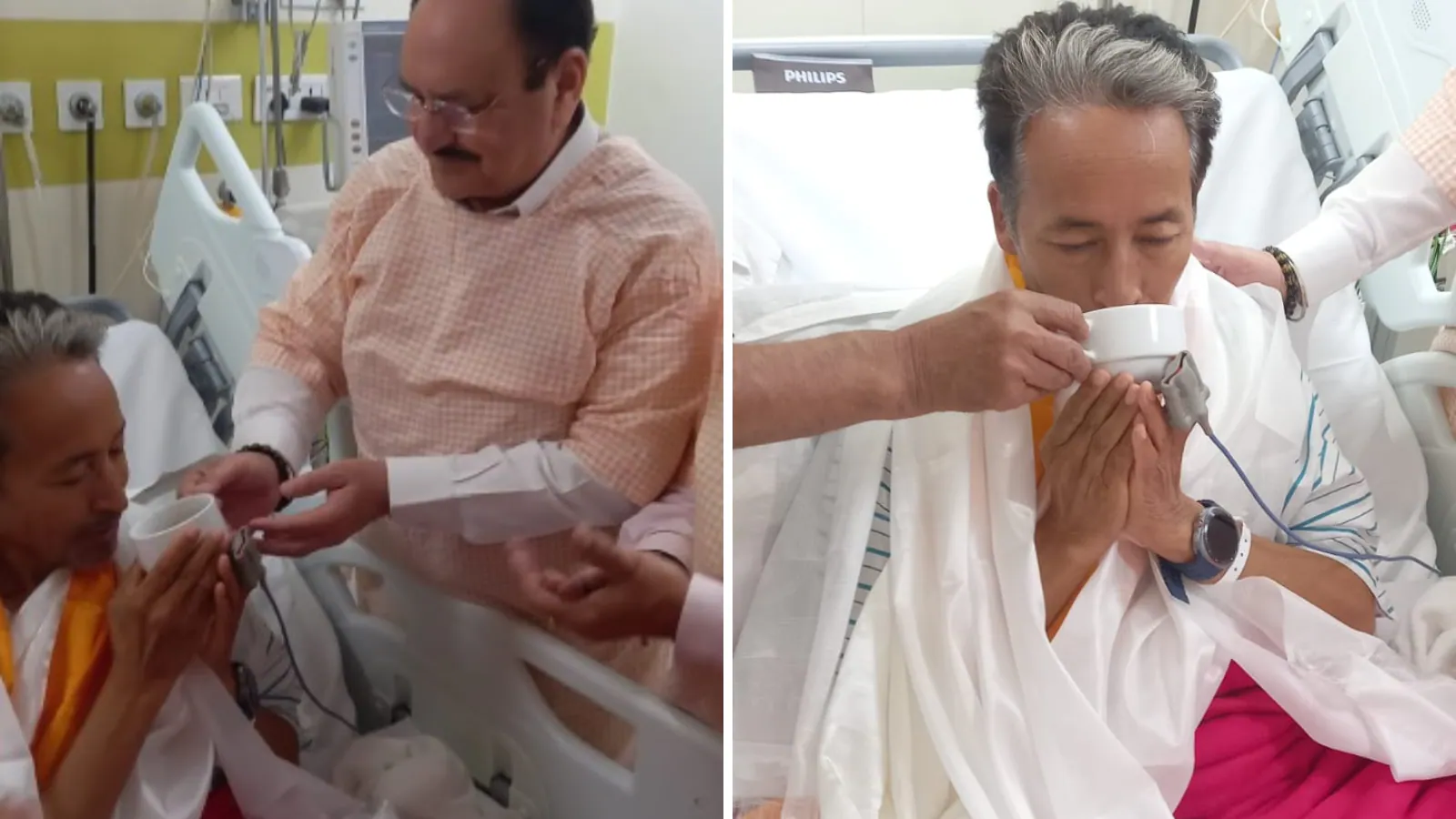
Two significant developments unfolded late Thursday night in the ongoing student protest. The first was the decision by activist Sonam Wangchuk to end his hunger strike. The second was Prime Minister Narendra Modi’s first direct message to the protesting students, released through his social media platforms and recorded on his mobile phone.
Beginning his address with “Friends,” the Prime Minister announced the formation of a fast-track court to deal with the matter. He also said that the Education Secretary had been replaced and assured that compensation would be provided to the families of students who had lost their lives.
The Prime Minister’s intervention came after more than 25 days of continuous protests, prompting questions among protesters and political observers alike. Many are asking why the government chose to respond only now. Was the move triggered by escalating public anger and the deteriorating situation in the capital, or was it simply the government’s assessment that the time had come to address the issue directly?
Another key question is whether Wangchuk’s decision to end his fast will influence the course of the agitation. Protest organisers, however, quickly clarified that the movement would continue until Education Minister Dharmendra Pradhan resigns. Abhijeet Deepke of the Cockroach Party Institute stated that the protest would not be withdrawn despite Wangchuk ending his hunger strike.
Historically, public protests in India have rarely resulted in the resignation of a Union minister. While Wangchuk’s participation brought national attention to the movement, it remains uncertain whether his withdrawal from the hunger strike will weaken its momentum.
Several public figures, including Wangchuk and actor Salman Khan, have appealed for a peaceful resolution, warning that prolonged protests could create opportunities for anti-social elements to infiltrate the movement and damage its credibility.
The Prime Minister’s prolonged silence before his statement has also become a subject of political discussion. Analysts are debating whether the developments are linked to broader political calculations ahead of the parliamentary session or represent a response to growing public pressure.
Attention has also shifted to recent changes in Parliament. Ahead of the Monsoon Session, reports of political realignments—including legislators switching parties and changes in parliamentary seating arrangements—have fuelled speculation over evolving political equations. These developments have prompted renewed debate over the government’s legislative priorities.
Political commentators have also revisited proposals such as One Nation, One Election, electoral reforms, and education governance, though there is no official confirmation linking these issues to the ongoing student agitation.
Taken together, the student protests, Wangchuk’s hunger strike, recent parliamentary developments, and other political events have intensified public debate. Whether these are isolated incidents or part of a broader political shift remains a matter of interpretation, and only future developments will determine their long-term significance.