



Abdul Naseer – Editor
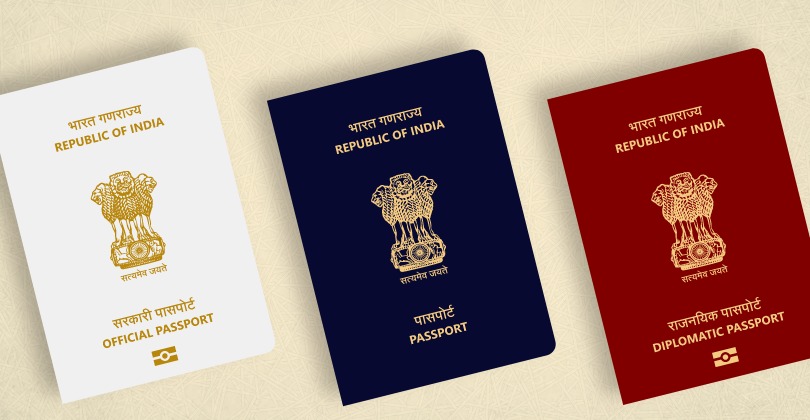
In a nation that prides itself on its demographic dividend, the steady rise in the number of Indians renouncing their citizenship should give policymakers pause. Nearly nine lakh Indians gave up their citizenship between 2020 and 2024, according to data presented in Parliament. This is not a marginal drift; it is a mass movement of aspiration, anxiety, and ambition—one that demands deeper reflection.
At first glance, the reasons appear familiar. Better opportunities abroad, superior healthcare and education systems, and the promise of a more predictable life continue to draw Indians to Western shores. The pandemic only accelerated this trend, as countries opened their doors wider to skilled migrants while remote work made global mobility easier than ever. For many families, the decision was not merely economic but existential—where will their children thrive, and where will their future feel secure.
Yet the numbers also reveal something more uncomfortable. India does not allow dual citizenship, forcing those who seek foreign passports to sever formal ties with their homeland. The fact that so many are willing to do so suggests a gap between the opportunities India offers and the aspirations of its most mobile citizens. When some of the country’s brightest minds—engineers, doctors, researchers, entrepreneurs—choose to build their futures elsewhere, it raises questions about the environment they are leaving behind.
The implications are complex. On one hand, the loss of skilled professionals contributes to a slow but steady brain drain. On the other, the global Indian diaspora has long been one of the country’s greatest strengths—boosting soft power, driving investment, and serving as a bridge between India and the world. The challenge lies in ensuring that this outward flow does not become a one‑way street.
India stands at a pivotal moment. Its economy is expanding, its global influence rising, and its young population brimming with potential. But potential alone is not enough. To retain its talent, India must offer not just jobs but meaningful careers; not just growth but stability; not just opportunity but dignity. It must build institutions that inspire confidence, systems that reward merit, and cities that offer a quality of life comparable to global standards.
The exodus of nine lakh citizens in five years is not a verdict on India’s future, but it is a warning. A nation that seeks to lead the world cannot afford to lose those who could help shape that journey. The question is not why Indians are leaving—but what India must do to make staying just as compelling as leaving.