




Saras Rajasakhi National Fair 2025
Jaipur, December 28
Organised by the Rajasthan Grameen Aajeevika Vikas Parishad at Jawahar Kala Kendra, Jaipur, the Saras Rajasakhi National Fair 2025, being held from December 18 to January 4, 2026, is presenting a grand celebration of India’s cultural unity and diversity under its evocative theme “India – One Thread”. The fair brings together distinctive textile traditions, folk handicrafts and cultural arts from across the country on a single vibrant platform.
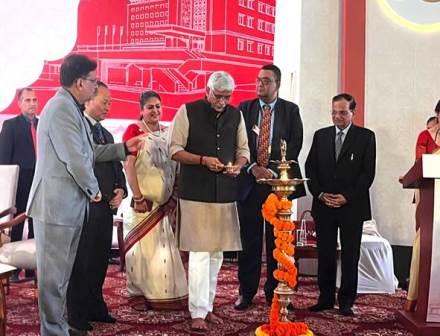
Following the inauguration of the fair by Hon’ble Rajasthan Chief Minister Bhajanlal Sharma, ministers, legislators and senior officials have been visiting the venue, appreciating the initiative and boosting the morale of participating women artisans. The growing popularity of the fair is evident from its footfall, with over one lakh visitors having already experienced the event, and numbers expected to rise further in the coming days.
More than 350 self-help groups from across India are participating in the fair, showcasing and selling over 2,000 varieties of handcrafted products. Visitors are witnessing an exquisite range of textiles including gota-patti, zari, leheriya, bandhej, ajrakh, block prints, kantha work, tussar silk, pashmina and woollen fabrics, featured in kurtis, ghagras, lehengas, sarees, suits, dupattas, bed sheets, cushion covers and sofa covers. Traditional and portrait paintings in styles such as Bani-Thani and Madhubani, along with handcrafted corsets, dresses and two-piece sets, are also drawing art enthusiasts.
The fair additionally offers colourful decorative gifts, wooden and terracotta artefacts, horse-elephant and royal figurines, traditional mojri footwear, jute bags, bamboo crafts, earthenware, organic spices, snacks, mouth fresheners, candies and sugar-free chocolates. Overall, the fair is not merely a shopping destination, but a lively and unforgettable experience that weaves together India’s cultural soul, traditions and creativity.
One Stage, Many Colours: A Celebration of Culture
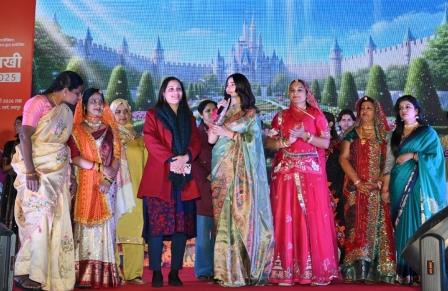
The Saras Rajasakhi National Fair 2025 has emerged as a grand cultural festival, offering daily folk art, dance and music performances from different regions of India over 18 days. On the opening day, Rajasthan’s Chari, Ghoomar and Kalbelia dances, shehnai and nagada performances, Bharatpur’s Mayur dance, and Uttar Pradesh’s Phoolon ki Holi set a vibrant tone. Performances such as Assam’s Bihu and Sattriya, Punjab’s Giddha and Bhangra, Mizoram’s Cheraw, Maharashtra’s Lavani and Gondhal, and Nagaland’s Ao and Kabo Naga dances mesmerised audiences.
A grand fashion show featuring actress Daisy Shah and confident ramp walks by women from self-help groups became a major highlight. In the coming days, visitors will witness performances including Sikkim’s Lion Mask dance, Uttarakhand’s Tridiya Chaupala, Kerala’s Chenda and Nadappattu, Haryana’s Daph and Jhoomar, Gujarat’s Garba and Dandiya, Tripura’s Hojagiri and Dev Verma, along with Rajasthani folk and Kathak fusion presentations.
Live Magic of Skill: Craftsmanship, Customisation and Tradition
Through live demonstrations, artisans from Alwar, Jhunjhunu, Jaipur and Churu are showcasing traditional crafts such as lac bangles, ethnic garments, clay and black pottery, Lippan art, crochet, embroidery, incense making and tie-and-dye, attracting large crowds. The customisation zone has emerged as a major attraction, where visitors can get personalised handcrafted items created live. The ‘Dress Drape Click’ style studio allows visitors to try regional traditional attire and draping styles, capturing memorable photographs with ethnic accessories.
From Nature to Wellness: A Gift of Organic Products
Organic and natural products presented by self-help groups from Uttarakhand and other regions are among the key attractions. These include chamomile, buransh (rhododendron), nettle, masala and millet teas, raw honey, apples, jaggery, dry fruits, ghee-based sweets, pickles, amla murabba and candies. Millet and sorghum biscuits, sugar-free chocolates, milk cake, roasted snacks, Bikaneri spices, bhujia, papad and mangodi are also popular. Natural care products such as handmade soaps, herbal shampoos, onion and neem oils, apricot oil, dried apricots and woollen items—completely chemical-free—are drawing strong interest, along with dry fruits from Jammu and Kashmir.
Flavours from Across India Under One Roof
Food stalls at the fair reflect India’s rich culinary heritage, offering delicacies prepared by women from self-help groups such as dal-baati-churma, parathas, puri-sabzi, kachori, pakoras, milk-jalebi, rabri, millet rotis, ker-sangri, raab, buttermilk, Bikaneri sweets, and GI-tagged Kaladi cheese. Street foods including chaat, pav bhaji, vada pav, sweet corn, gajar halwa, soups, kulfi, ice cream, coffee, burgers, sandwiches, momos, chowmein, pasta, idli and litti-chokha are delighting food lovers.
Photography and Influencer Contests
To encourage creativity and digital engagement, special photography and influencer contests are being organised. Visitors can share colourful moments and cultural highlights from the fair on social media using designated tags to win daily prizes. Digital influencers are participating by creating fair-related content until December 30, with winners to be announced on January 4, 2026. Prizes include ₹1.5 lakh (first), ₹1 lakh (second) and ₹50,000 (third), judged on storytelling, creativity, audience engagement and overall impact.
Lucky Shopper Awards: Shop and Win
To motivate visitors, a daily Lucky Shopper Award scheme is being run throughout the 18-day fair. Two lucky shoppers each day win prizes worth ₹20,000 to ₹50,000 through a transparent draw. Visitors making purchases of ₹1,000 or more can participate. Prizes include LED TVs, refrigerators, cameras, washing machines, smartphones, air conditioners, smartwatches, home appliances, handicraft sets, electronics and sports kits, making shopping at the fair even more rewarding.