





A Celebration of Divine Love and Unity
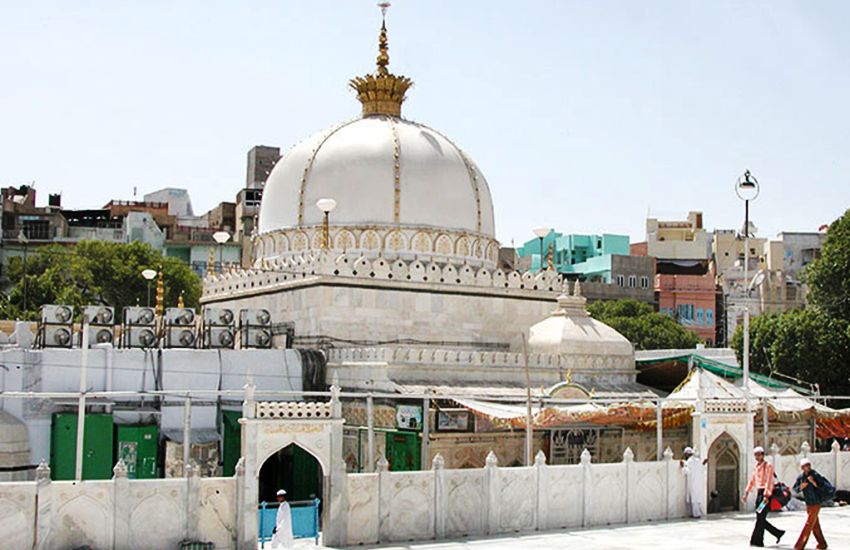
The Garib Nawab Urs 2025 marks a momentous spiritual occasion observed annually at the Ajmer Sharif Dargah, the revered shrine of the great Sufi saint Hazrat Khwaja Moinuddin Chishti, affectionately known as Garib Nawaz — the benefactor of the poor. In 2025, this sacred celebrates its 814th year, drawing devotees from across India and around the world to seek blessings, pray for peace, and honor the saint’s timeless message of love, compassion, and human unity.
Garib Nawab Urs isn’t merely a festival in the conventional sense; it is a profound spiritual commemoration. In Sufi tradition, the death anniversary of a saint is termed an Urs because it symbolizes the saint’s union with the Divine — a “wedding” with God rather than a farewell. This celebration embodies deep reverence, reflection, and communal harmony, welcoming people of all faiths to the dargah.
The 2025 Urs began formally with the flag‑hoisting ceremony on 17 December 2025 at the historic Buland Darwaza of the shrine, performed by the Gauri family, custodians of this age‑old tradition. This ritual signals the arrival of the Urs period and is accompanied by devotional chants, rhythmic beats of dhol‑nagada, and heartfelt prayers such as “Bhar Do Meri Jhooli Khwaja”.
The official Urs observances — many based on the Islamic lunar calendar — begin after the sighting of the Rajab moon, which in 2025 paved the way for the main rituals starting 22 December and continuing through 30 December. Over these days, the shrine becomes a hub of spiritual energy and devotional activity. The central events include nightly Qawwali gatherings — soulful musical convocations of Sufi poetry and praise — Chadar Poshi (offering of ornate cloths placed on the saint’s tomb), Langar (free community meals), and the opening of the Jannati Darwaza (Gate of Paradise) — a symbolic passage believed to bring blessings and spiritual upliftment to those who pass through it.
A hallmark of the Urs is its inclusive spirit. Devotees from diverse cultural and religious backgrounds converge on Ajmer, forming a tapestry of unity and mutual respect. For many pilgrims, the journey itself is an act of devotion — an opportunity to reaffirm faith, seek forgiveness, and invoke hope for personal and communal well‑being. In a world rife with divisions, the Urs stands as a powerful symbol of peace and universal brotherhood
According to a News Channel, beyond the rituals, the Urs also has significant socio‑cultural impact. The city of Ajmer undergoes a remarkable transformation with elaborate decorations, light displays, and humanitarian services like free food distribution and shelter for visitors. This environment fosters not only religious fervor but also service and charity, reflecting Khwaja Garib Nawaz’s enduring teachings of caring for the less fortunate. As the Urs draws to a close on 30 December 2025, thousands return home carrying renewed faith and cherished memories of spiritual communion. The Garib Nawab Urs continues to be a testament to the Sufi saint’s everlasting legacy — one that transcends time, geography, and religious boundaries, inspiring millions to live with compassion, humility, and love for all.